


Home » Quality & Research » Flavor Application Lab
FLAVOR APPLICATION & SENSORY SCIENCE CENTER
"Where Biotechnology Meets the Art of Taste"
The ZABT Flavor Application Lab serves as a high-tech bridge, transforming the molecular advantages of our high-nucleotide yeast extracts into winning market formulations. By merging advanced chemical analysis with expert human perception, we provide our global partners with a definitive “Flavor Map” for success.
Expert Sensory Evaluation Panel
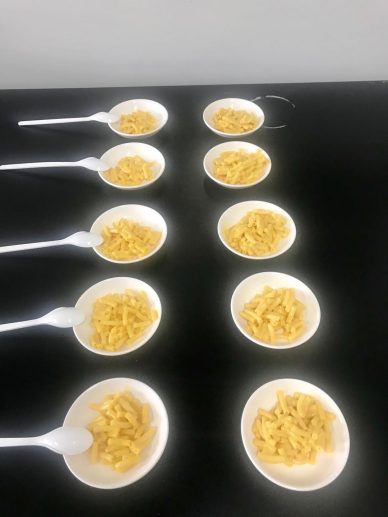
To ensure the highest level of flavor precision, ZABT maintains a Professional Sensory Evaluation System that mirrors international food industry standards (ISO 8586).
Trained Descriptive Panel: A core team of sensory experts screened and trained for high sensitivity to Umami (MSG-like), Kokumi (mouthfulness), and bitterness.
Quantitative Descriptive Analysis (QDA): We generate spider graphs and flavor profiles to visualize the impact of nucleotides on specific attributes like “Initial Impact,” “Aftertaste,” and “Mouthfeel.”
Triangle Testing & Threshold Analysis: Rigorous methodologies used to determine the exact minimum dosage required to mask off-notes or enhance salt perception, ensuring cost-effectiveness for our clients.
Environmental Control: Evaluations are conducted in a standardized sensory laboratory with controlled lighting, temperature, and neutral odors to eliminate external bias.
Strategic Solution Framework
Our application experts utilize the synergistic power of 5′-Nucleotides to tackle the most complex challenges in modern food manufacturing:
1. Precision Umami Synergy
We don’t just add flavor; we optimize the Synergistic Effect. By calculating the precise ratio between Glutamate and 5′-Nucleotides (IMP/GMP), we can amplify flavor intensity by up to 8x, creating a deep, lingering savory profile.
2. Health-Performance Reformulation
Sodium Reduction (32-37%): We leverage the “Salt-Enhancing” properties of nucleotides to maintain perceived saltiness while significantly reducing actual sodium content—meeting global WHO health targets without sacrificing consumer preference.
Sugar & Fat Optimization: Using yeast extracts to build back the “body” and mouthfeel lost when sugar or fat is removed from a formulation.
3. Advanced Masking Technology
Bitterness Neutralization: Targeted solutions for high-protein functional foods and plant-based beverages.
Metallic Note Suppression: Effectively masking the bitter/metallic aftertaste of Potassium Chloride (KCl) in low-sodium applications.
4. Next-Generation Plant-Based Innovation
Bridging the “Meat-Alternative Gap” by providing the essential sulfur-containing compounds and ribonucleotides that mimic the authentic fatty, savory, and grilled notes of animal protein.